
Paid search sounds simple.
You put money in, clicks come out, and sales should follow.
But in reality, it’s a budget drain for most advertisers.
Campaigns eat through ad spend while conversions slowly crawl their way behind.
The issue’s normally wasted revenue.
Because of the wrong keywords.
Because of the lazy ad copy.
Because of the clunky landing page.
But the good news is it’s fixable.
Paid search is measurable.
Every click, impression, and conversion leaves a trail.
And if you act on it, you can cut spend and grow even faster.
How to turn your paid search strategy into profit
#1 — Target only high intent keywords
Not every keyword’s worth chasing.
Some bring people with wallets open.
Others just bring people killing time.
The ones that matter are high intent keywords.
That’s the stuff people type when they’re ready to buy.
“Buy women’s running shoes” screams intent.
But “Running shoes” is so vague it could be anything.
That’s how most budgets get burned.
Stick with exact and phrase match keywords.
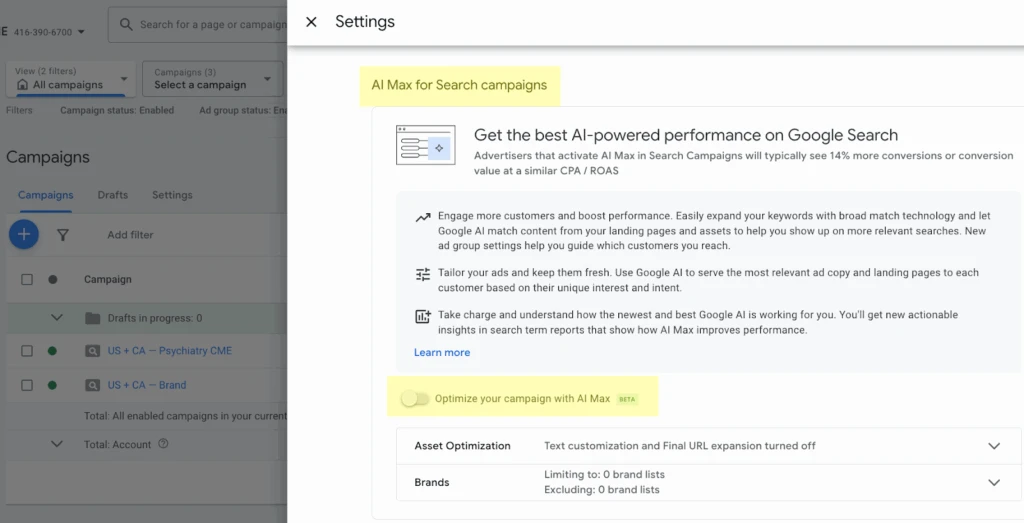
And make sure you’ve got AI Max switched off.
It looks smart.
But we’ve tried it…
And it pushes your ads on vague searches.
And the clicks you get from it burns your budget fast.
So stay in control.
Or Google will spend it for you.
Start digging into your search term report.
See which phrases actually brought in conversions.
Winners stay.
Losers get chopped.
Now your money only goes to proven intent.
If you’re a dental clinic, don’t bid on just “dentist”.
Go for “emergency dentist appointment near me” instead,
After you do this, the gap in your conversions can be night and day.
And of course, your ad copy needs the same treatment.
*Yawn*
Match it to what people actually search for.
If they type “book pest control today,” don’t hit them with some dull line about “trusted family service”.
Say “24/7 Pest Control Service”.
That’s what they wanted to see.
When your keywords and ads sync, Quality Score goes up.
Clicks get cheaper.
Conversions get easier.
And instead of random browsers, you’re talking to real buyers.
#2 — Use negative keywords to save budget
Negative keywords are your filter for sh*t leads.
If you don’t do them, you’ll watch half your budget vanish on nonsense clicks.
Again, review your search term report.
Check what people typed before they clicked.
The rubbish is always the same.
Words like “free,” “jobs,” “careers,” “how-to,” or “definition.”
If you sell something, these types of keywords never turn into sales.
Add them as negatives straight away.
But don’t stop at the obvious.
If you sell luxury watches, block “cheap,” “replica,” or “fake.”
If you sell managed IT services, cut out “DIY” or “training.”
Build a master negative list for the whole account.
Then refine it at ad group level.
Make it a weekly habit.
New junk keywords show up all the time.
And it drains your money if you ignore it.
When you cut out bad matches, the clicks you keep are more relevant.
Think of adding negative keywords as housekeeping.
They save more budget than anything else.
And saving money without losing revenue is always worth it.
#3 — Stick to tight campaign and ad group themes
Messy campaigns bleed money.
Shoving 50 to 100 keywords into one ad group destroys relevance.
And low relevance means Google charges more for every click.
So, keep it tight and relevant.
Each ad group should cover just one theme.
For trainers, that could be “buy running shoes women.”
Or “basketball shoes men online.”
Then, write ads just for that theme.
This way, ads line up with searches instead of being vague.
Trim keywords per ad group, too.
Too many and your ads fit none of them.
In addition to better Quality Scores, relevant groups also make testing easy.
You can see which combos work.
Clean structure means clean data.
Clean data means better decisions.
If a furniture store lumps “office chairs,” “wooden desks,” and “sofa beds” together, ads end up vague.
But when they’re split into their own groups, things will change.
Someone searching “buy ergonomic office chair” sees a relevant headline.
And this usually means higher clicks and more sales.
#4 — Use dedicated landing pages
A click means nothing if the page makes people leave.
Even the best ad fails if the page is slow, messy, or off-message.
The rule’s simple.
Focus on one thing.
Every ad should lead to a well-designed landing page made for that offer.
If the ad says “Book Free Trial Lesson,” that exact message should be in the page headline.
Because sending people to your homepage will kill intent.
And forms matter too.
People have short attention spans.
So you need to ask only for what you need.
In some cases, first name and email might be enough.
But ten fields is overkill and drives people away.
Speed is another factor.
Google’s own research has shown that as mobile page load time goes from one second to seven seconds, the probability of a visitor bouncing jumps by 113% (Think with Google found this).
So if a page takes five seconds to load, half your clicks are gone.
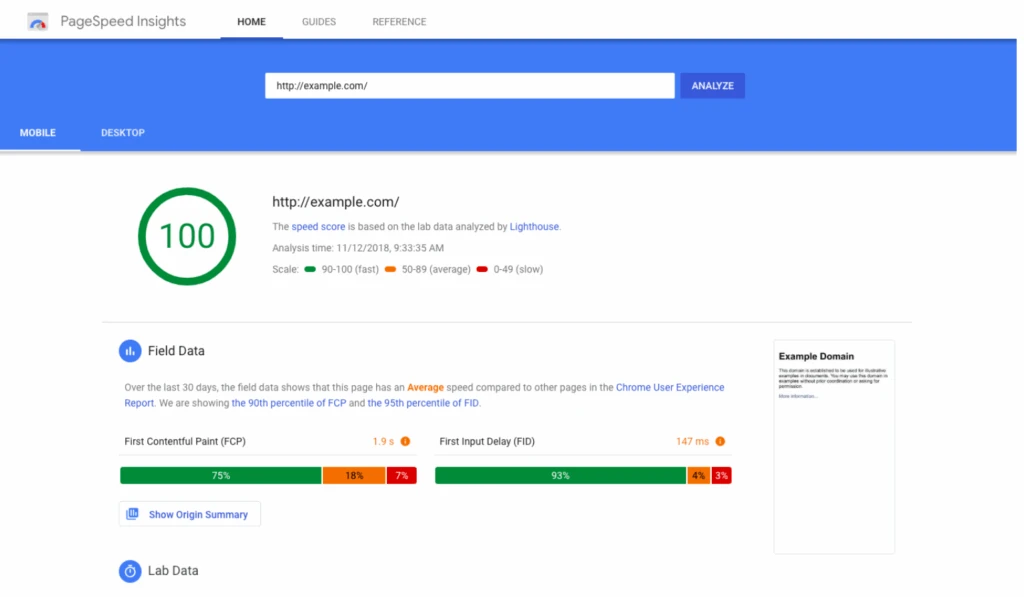
Check it with Google’s PageSpeed Insights.
Shrink images.
Cut heavy scripts.
Get better hosting.
Also, remember that mobile is non-negotiable now.
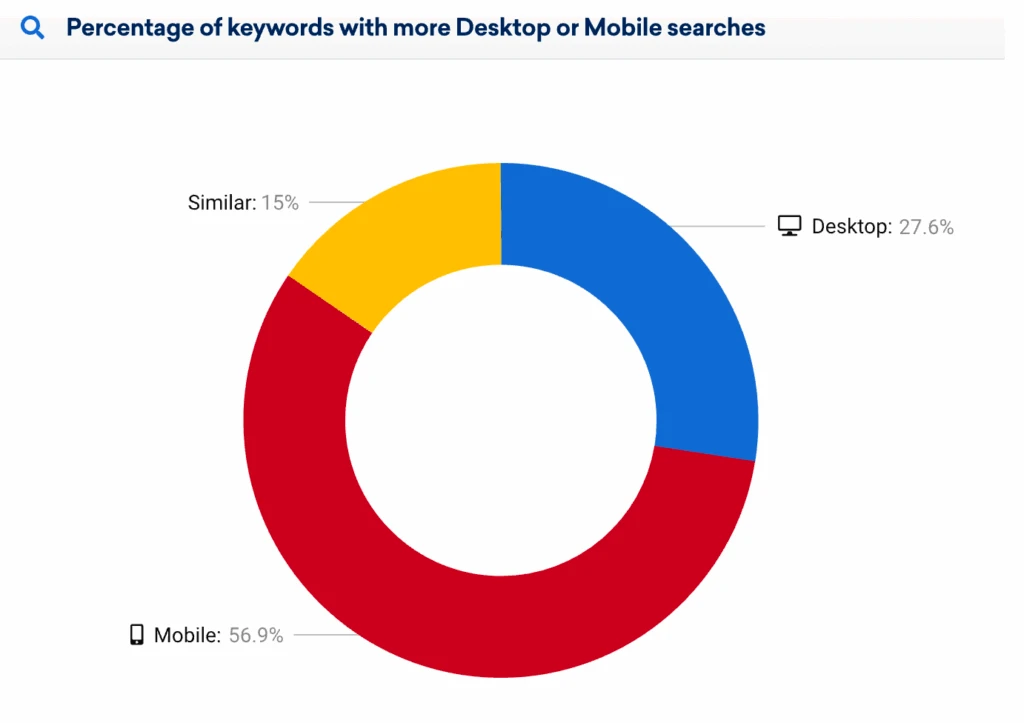
Most clicks come from phones.
If your text spills off-screen or buttons are tiny, you’re throwing sales away.
Finally, don’t bury your CTA in a wall of text.
Put it where people see it… fast.
Take a software trial as an example.
If the ad promises “Free 14-Day Trial,” the page should say that, too.
The form should ask only for just the details you need.
No one wants to feel like they’re filling tax forms.
And more than cutting wasted clicks, it improves your chances of turning visitors into buyers.
#5 — Set ad schedules properly
Most businesses don’t get sales at 3 a.m., yet their ads keep running 24/7.
That’s wasted money.
So, check your performance reports by day and time.
You’ll see patterns.
Maybe afternoons convert best.
Maybe weekends are dead.
Push more into the hours that make money.
But remember that every industry’s different.
Restaurants may peak in evenings and weekends.
B2B usually peaks during office hours.
E-commerce often sells more at night than mid-day.
So always test your own numbers.
Trust the data.
Update schedules every few months as behaviour shifts.
No one wants to pay for ghost clicks.
Keep your budget for when buyers actually show up.
#6 — Use automation while keeping control
Automation helps, but it’s dangerous if you let it run wild.
Google Ads makes automated bidding sound like magic.
It’s not.
The algorithm doesn’t care about your budget.
It only cares about the goal you set.
Smart Bidding can work…
But some people only say that true if you have enough conversion data.
No matter which strategy you use, don’t flick autopilot on and walk away.
You still need constant checks.
If cost per conversion increases or bids go crazy, you need to step in.
Best way’s mixing control.
Let automation handle daily improvements.
But you still watch which keywords bleed budget.
You can setup rules that pause weak ads.
But decide what “weak” actually means for your business.
Treat automation like an assistant.
Because it removes wasted clicks.
It speeds up boring work.
It gives you more time for strategy.
But trust it blindly and you’ll lose a lot of your budget.
#7 — Keep testing new stuff
Paid search is never one-and-done.
The campaigns that win are the ones always being tested.
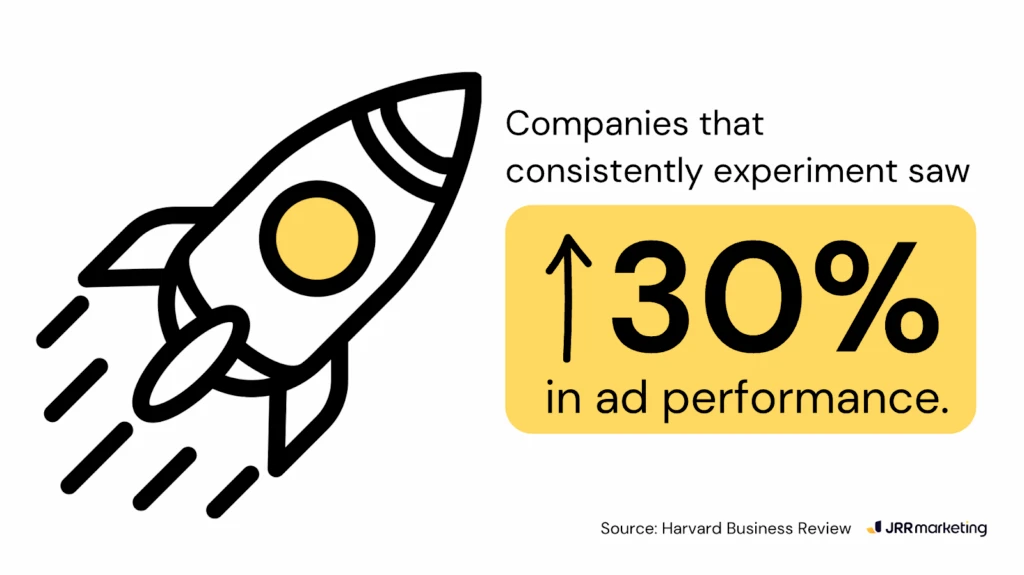
Harvard Business Review found that ecommerce advertisers running around 15 ad experiments in a year saw roughly 30% higher ad performance that same year.
They also saw 45% higher the next year compared to the people who barely test at all (Harvard Business Review reported this)
Start small.
Change one thing at a time.
Write your headlines then test them first.
Run one with urgency and one with benefits.
Check CTR and conversions.
Then, keep the winner.
Next, test landing pages.
Shorten your forms.
Change button colours.
Move content around.
Even the tiniest change can double conversions sometimes.
Don’t skip bidding tests either.
Run manual vs automated side by side.
See which one drops your cost per acquisition.
But never test everything at once.
Stick to one variable to keep results clean.
Make sure you also keep a log.
Write down what won and what lost.
Over time, those 5-10% lifts keep stacking up.
That’s how you end up paying less for more results.
Constant testing is the only way to keep improving.
Chasing volume isn’t a paid search strategy
Anyone can buy traffic.
That’s not the hard part.
The real skill in paid search is turning those clicks into sales at a cost that makes sense.
Big traffic numbers look nice on a dashboard.
But they don’t pay the bills.
What pays the bills is intent.
Clicks from people ready to act.
That’s why you cut waste with negatives.
That’s why you run ads only when buyers are awake.
That’s why you split campaigns into clean groups so relevance stays high.
Every step tightens the funnel.
Most businesses don’t do this.
They chase clicks like volume proves success.
It doesn’t.
Volume without conversions is noise.
Google won’t protect you from that.
It will gladly spend your budget on junk clicks all day.
The responsibility sits with you.
Chase steady lifts that add up over time.
That’s how campaigns scale profitably.
Not by luck.
Not by one trick.
But by constant trimming, testing, and refining.
That’s the discipline.
And that’s what separates paid search campaigns that bleed from campaigns that grow.