

Imagine you’re Sarah, a small business owner who sells handcrafted jewellery online.
You’ve nailed the aesthetics — your website is a thing of beauty, and you’ve got product photography that could give Vogue a run for its money.
You’ve even mastered the art of Instagram captions.
Yet, your online sales chart looks like it’s flatlining.
Been there, haven’t we?
This is where Conversion Rate Optimisation — or CRO, if you’re into acronyms — comes into play.
It’s the science (and a bit of art) of turning your website visitors into actual customers.
We’re talking less window-shopping, more walking out with a bag full of your goods.
But the million-dollar question remains:
Should you hire a CRO consultant to resuscitate your stagnating sales, or is it just another drain on your resources?
That’s what we’re going to dig into.
We’ll weigh the pros and cons and give you the information you need to make that call.
So refill that coffee cup, maybe grab a cookie or two, and let’s get down to business.
Why you might be considering a CRO consultant
Let’s say your business is doing alright, but just alright.
Your revenue graph resembles a plateau more than a mountain peak.
Or perhaps you’re considering a complete website overhaul and you don’t want to blow it.
These are common crossroads where the thought of a CRO consultant sneaks into the picture.
Think of a CRO consultant as a personal trainer for your website.
You could struggle on your own with sit-ups and squats — or in this case, vague metrics and analytics — or have someone guide you, optimising every movement for the best outcome.
Your website needs more than just good looks; it needs to work those conversion muscles, too.
What does a CRO consultant actually do though?
Alright, let’s break down what these specialists actually do on a day-to-day basis.
First off, they size up your website — the way it’s currently performing, areas that need improvement, the whole shebang.
Then they outline a strategy.
Think of it as a fitness plan, but for your digital performance.
Your consultant would likely dive into some A/B testing.
This basically means showing two versions of a webpage to different groups of people and seeing which one performs better.
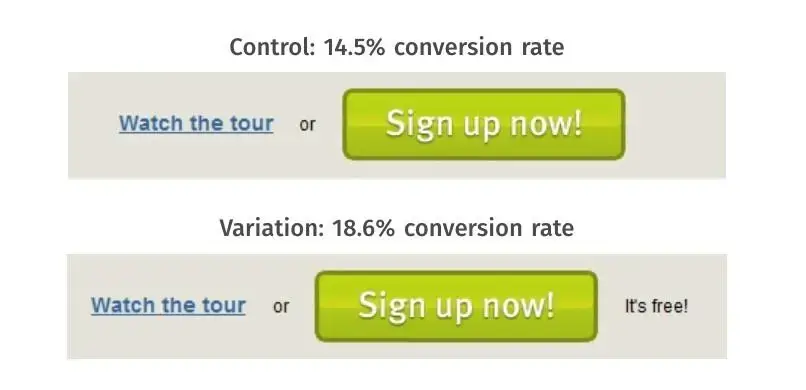
It’s like a taste test, but nobody gets free samples.
The goal here is to keep tweaking until they find the secret sauce that gets your visitors clicking “Buy Now” more often than just X-ing out of the tab.
By optimising your website’s layout, a CRO consultant can help improve these metrics.
For example, did you know that showing people’s faces rather than stock images can increase conversion rates by around 95%?
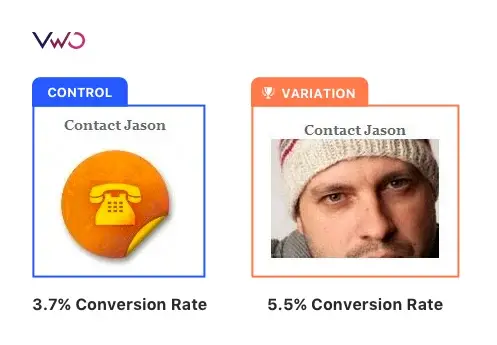
They keep an eye on numbers, but these are stats that matter — like how many people actually complete a purchase or fill out a contact form.
So, if your online sales need a pick-me-up, or you’re diving into a website redo, a CRO consultant can be the gym buddy you never knew your website needed.
But is it actually worth the investment?
Let’s say you currently have a 1% conversion rate, and you’re pulling in about $10,000 a month from online sales.
A good digital consultant might bump that rate to 3%, effectively tripling your revenue to $30,000 a month.
Sounds tempting, right?
But let’s talk about expenses.
Imagine the consultant charges $5,000 a month.
In this case, the ROI is pretty straightforward — you’re spending $5,000 to make an additional $20,000.
It’s a no-brainer.
But what if your starting point is different?
Say, for example, you’re already pulling in $100,000 a month with a 5% conversion rate.
A bump to 7% would yield an extra $40,000.
If that consultant’s fee is $35,000 a month, you’re only netting an extra $5,000.
Is that worth the hassle and the investment?
Let’s introduce real-world examples to drive the point home.
Companies like Airbnb and Netflix have openly credited their success to relentless A/B testing — one of the primary tools in a CRO consultant’s kit.
Airbnb, for instance, managed to increase their booking rate by continuously testing and altering small details like photo arrangements and button colours.
Then comes the psychological aspect.
Remember the Pepsi Challenge?

It was a blind taste test that showed people preferred Pepsi over Coke.
It exposed cognitive biases and influenced Coke’s recipe change.
Similarly, a CRO consultant can reveal the blind spots in your website design or content that you might be oblivious to.
So, before making that investment, it’s imperative to weigh the potential ROI against the costs, while also considering the biases that might be affecting your current strategies.
When the maths and psychology align in your favour, that’s when hiring a CRO consultant becomes a truly wise investment.
DIY vs. Freelancers vs. Agencies?
So, let’s say you’re not ready to go all-in and hire a full-time CRO consultant.
You do have other options.
For the DIY enthusiasts, there are tools like Google Analytics, GoHighLevel, or Hotjar that can help you understand your user (can we all agree that “user” doesn’t sound human?) behaviour and even run some basic A/B tests.
If you’re in the middle ground, freelancers from platforms like Upwork can offer a less expensive but specialised approach.
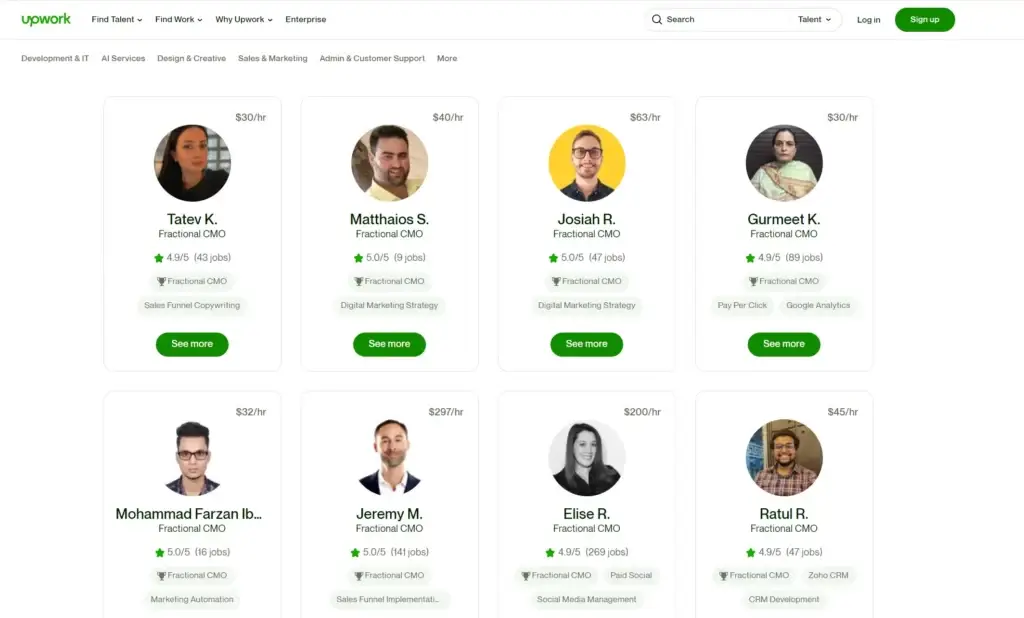
These are professionals who can give your site a CRO injection without the commitment of a long-term contract.
Then, of course, there are full-service agencies.
These are the all-in-one packages that provide not just CRO but also other digital marketing services.
It’s like hiring a team of experts all focused on different aspects of your digital health.
Pros and cons of each
DIY
- Pro: Cost-effective and provides full control over your project.
- Con: Time-consuming and lacks the expertise a seasoned consultant would offer.
Freelancers
- Pro: More budget-friendly than an agency and often highly specialised in CRO.
- Con: Quality can vary widely, and you might find yourself managing the freelancer more than you’d like.
Agencies
- Pro: Comprehensive service with a team of experts in various fields.
- Con: The most expensive option and sometimes you may get lost in the shuffle if you’re a smaller client.
Each of these routes has its merits and downsides.
If you’re tech-savvy and have time on your hands, DIY could work.
If you want specialised help without breaking the bank, a freelancer could be the right fit.
And if you’re looking for a comprehensive strategy without having to manage multiple people, an agency might be your best bet.
The way I like to look at it is that everyone has different needs, capabilities, and of course, budget constraints.
How to find the right consultant
Finding the right CRO consultant is a bit like dating — you’ve got plenty of options, but you need to sift through them to find your perfect match.
Where to look
Beyond the usual suspects like LinkedIn and Upwork, industry forums such as GrowthHackers can offer unexpected gems.
Even Twitter and Instagram are emerging platforms where consultants showcase their thought leadership.
Some companies have even found success by diving into niche subreddits related to marketing.
How to go about it
Start with a basic search, then go deeper.
On LinkedIn, use filters to zero in on profiles with specific CRO experience.
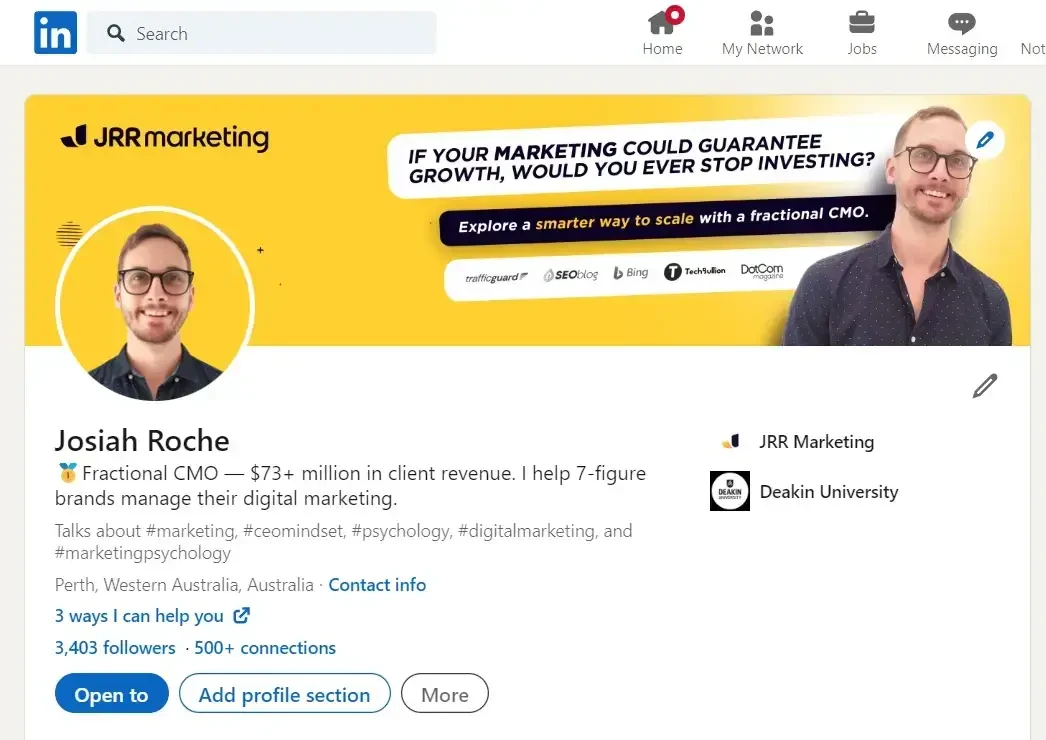
On platforms like Upwork, look at their job success rate and portfolio.
On social media, pay attention to the quality of content they’re putting out, not just the follower count.
What to look for
Credentials are good, but they’re not everything.
Focus on consultants who can show quantifiable results.
If they can demonstrate that they’ve improved conversion rates by x% for another client, that’s gold.
Reviews and recommendations can also be a good sign, and so can past case studies.
So while you may be inclined to swipe right on the first consultant that catches your eye, a little due diligence goes a long way.
Take your time, do your homework, and remember that this is a relationship worth investing in — if it’s the right fit, of course.
Do you really need one?
The journey to potentially hiring a CRO consultant shouldn’t be impulsive; it’s not like picking up a candy bar while waiting in the checkout line.
To find out, let’s pose some questions you should be asking yourself.
- Are you struggling with low conversions despite high traffic?
- Have you reached a plateau in your revenue growth?
- Do you have the budget for it, and can you potentially see a good ROI?
- Are you planning a website overhaul?
- Do you find it challenging to understand and interpret user behaviour on your site?
If you’re a startup still grappling with product-market fit, maybe you shouldn’t be too alarmed if your conversion rate isn’t sky-high.
According to Mailchimp, a good website conversion rate is between 2-5% across all industries.
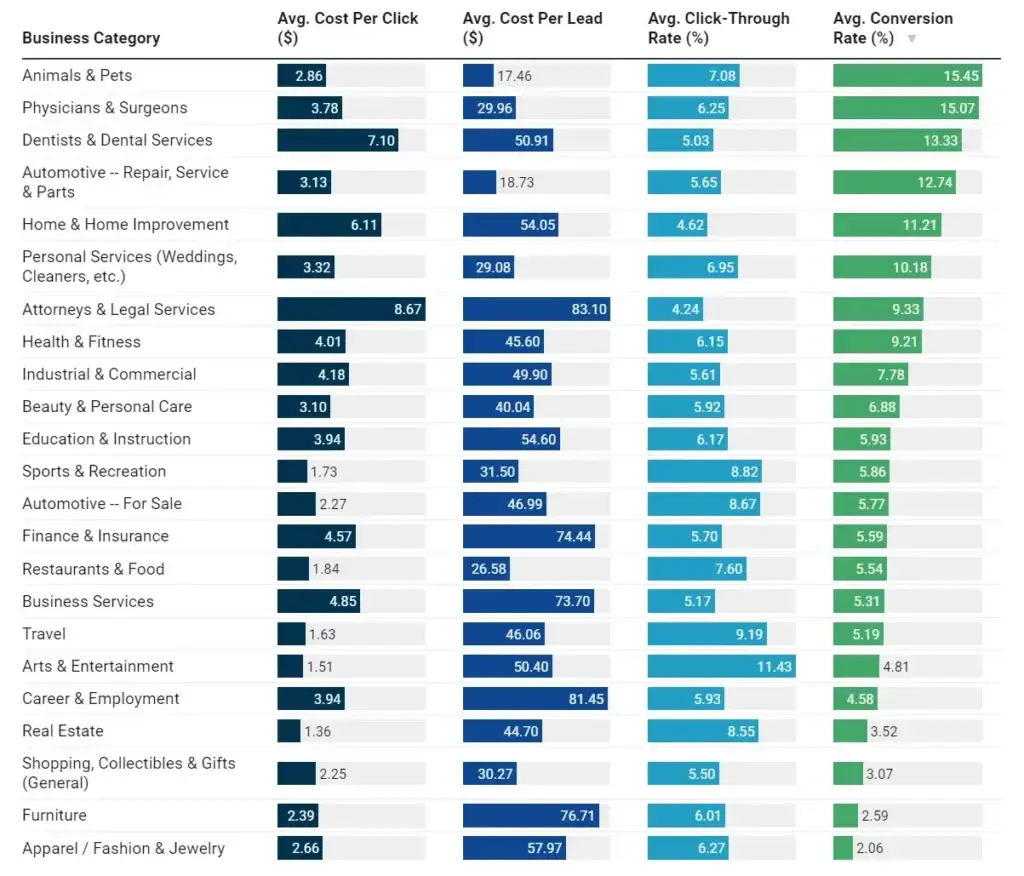
So keep that benchmark in mind when evaluating your situation.
A CRO consultant at this stage might be a cart-before-the-horse situation.
Conversely, if you’re an established business with steady traffic but stagnant or declining sales, a CRO consultant could be just the jolt you need.
And don’t forget about timing.
Are you heading into your busy season?
Launching a new product line?
These pivotal moments could benefit greatly from the expertise of a CRO consultant who can make sure you’re maximising every opportunity.
The bottom line is, a CRO consultant isn’t a one-size-fits-all solution.
It’s not always the right answer, but in specific circumstances, it can be the difference between a languishing website and one that’s a buzzing hub of activity.
So weigh the pros and cons carefully, analyze your business needs and then decide if it’s the right move for you.
Let’s be specific: a CRO consultant isn’t a magic bullet.
Nor are they unnecessary fluff.
Their use depends on your business needs, where you are in your business life cycle, and the specific challenges you’re facing.
If your internal team is swamped, your metrics are stuck, and you have the budget to invest, then yes, a CRO consultant might just be what the doctor ordered.
Otherwise, the prescription could be as simple as more in-house focus or even a few tweaks based on DIY analysis.
Time to decide if you need a conversion rate optimisation consultant
Imagine you’re a gardener.
You’ve got soil, seeds, and a watering can.
You’ve planted, watered, and waited.
But instead of lush greenery, you’re staring at stubborn buds refusing to bloom.
Now, what if someone walked up and said, “Hey, let’s test this soil and adjust the pH, or try planting these seeds a tad deeper?”
This outsider isn’t just throwing water around; they’re tweaking the elements in a calculated manner to help your garden thrive.
That’s essentially what a CRO consultant can do for your business — look at the elements you already have and make them better.
But not every garden needs an expert.
Maybe you have a green thumb and your garden is thriving.
Or perhaps you’re comfortable experimenting until you figure it out.
The point is, the need for a CRO consultant varies from garden to garden, or in this case, business to business.
Your challenges, where you are in your business life cycle, and yes, your budget, all factor into this decision.
So, look at your own business garden.
Are you content with its growth, or could it use some expert tending?
Only you can make that call, but hopefully, this piece has given you the insights to make it a well-informed one.